
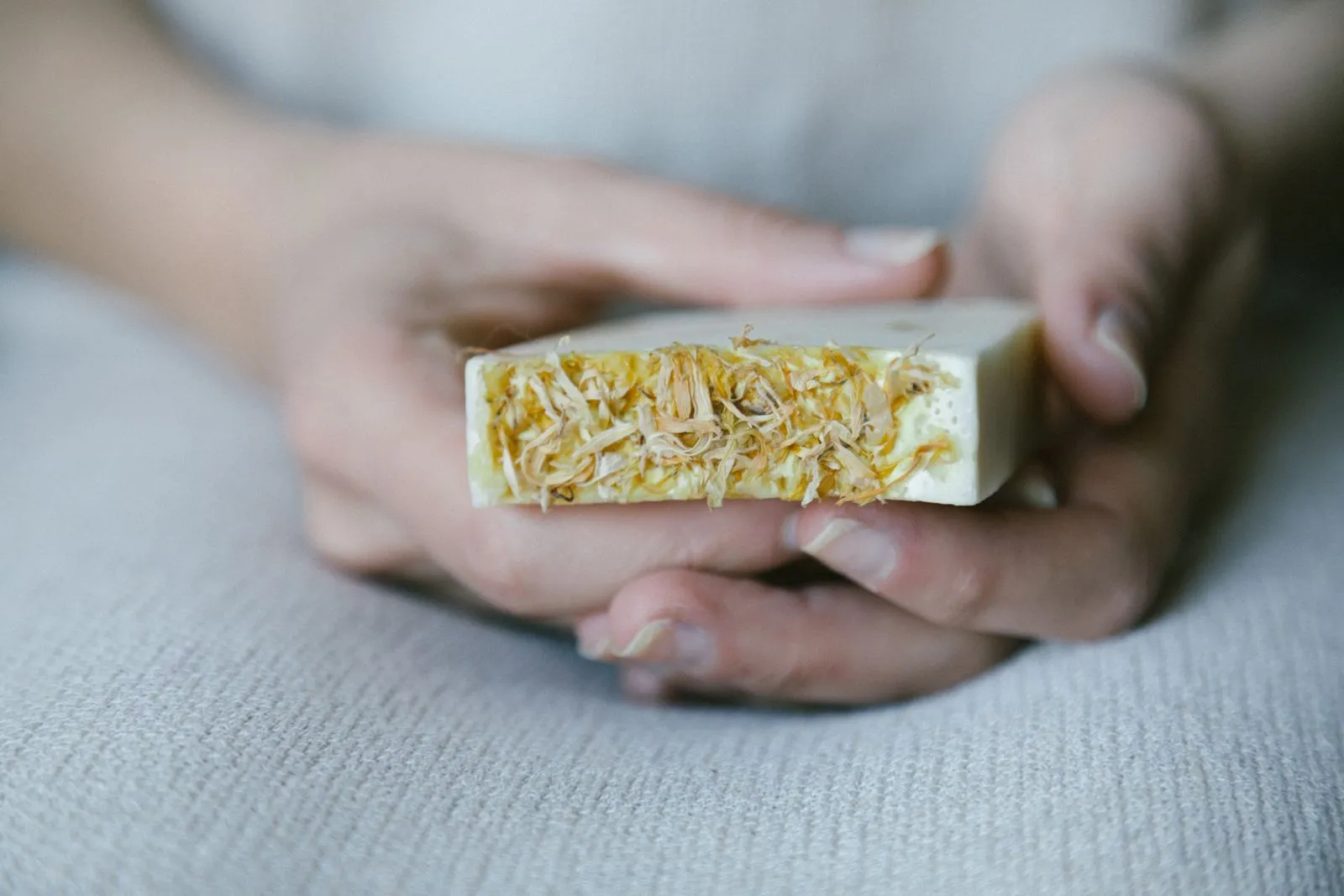
Handmade soap holds up best when it can dry between washes. If a bar sits in a puddle or on a sealed surface, it may turn soft, slippery, and harder to use. A few simple choices can help: let water drain away, allow air to reach the bar, and keep it out of overly warm or damp spots. These habits work at the sink, in the shower, and wherever you keep spare bars.
Choose a Draining Soap Dish
Set your bar on a dish with slats, ridges, or drainage holes so water can run off instead of pooling underneath. Keep the dish level and empty any collected water regularly. A smooth, flat tray can trap moisture against the bottom of the bar, so if that is what you have, wipe it dry after use and move the soap to a drier spot when possible.
Check that the dish itself dries between uses. A soap dish covered in residue or holding standing water can keep the bar damp. Rinse away buildup and clean the dish as needed. In a shower, place it on a shelf or holder where spray does not hit it constantly and water does not collect around it.
Give the Bar Room to Breathe
Airflow helps moisture evaporate from the whole bar. Avoid storing soap in a closed container while it is wet, or pressing it into a tight corner where air cannot circulate. Leave a little space around the bar and keep it uncovered between uses. If several bars share a dish, separate them so their surfaces are not touching.
If you like to keep soap in a travel case, let the bar dry fully before packing it. For a damp bar you need to carry, use a case that allows drainage or ventilation when available, then open it at your destination. Leaving wet soap sealed for long periods can make it soft and messy.
Pick a Cool, Dry Storage Spot
Keep bars away from direct shower spray, sink splashes, and places where water routinely sits. Heat and humidity can slow drying, so a spot beside a steamy shower may not be ideal for spare bars. Store unused soap in a dry cabinet or drawer with some airflow, away from direct sunlight and sources of heat.
Keep spare bars in their packaging until you are ready to use them, and avoid storing them in a damp bathroom cabinet. If the room stays humid, choose a drier area of your home. Store bars separately from strong-smelling products if you want to reduce the chance of scents transferring.
Adjust for Your Bathroom
Notice how quickly your bar dries after a wash. If it remains wet or feels soft at the base, move the dish, improve drainage, or choose a location with more airflow. In a shared bathroom, a wall-mounted holder or a separate shelf can keep the bar away from pooled water and frequent splashes.
The right setup depends on your space and how often the soap is used. A bar used by several people may need a larger draining dish or more room to dry. For a guest bathroom, check the dish between visits and remove standing water. Small adjustments often solve the problem without needing special storage equipment.
To help handmade soap last, keep it on a draining surface, leave space for air to circulate, and store it away from constant water, heat, and humidity. Check the dish and bar regularly, then adjust the location if the soap stays wet. For soap-making supplies or storage ideas, contact Athens Soap Supply.